
The EU Digital Identity Wallet 2026: Future of digital signing
Digitalisation, eID
Posted by Johanna Santos
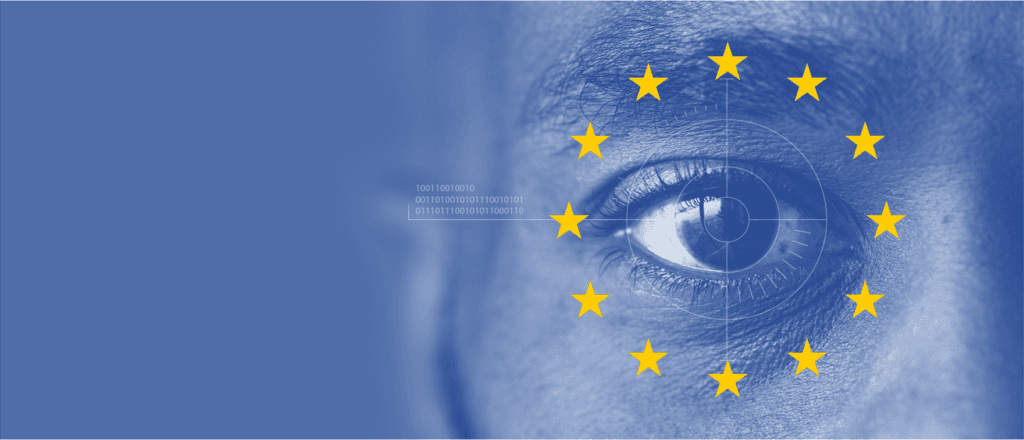
As the eIDAS 2.0 mandate approaches in late 2026, digital agreements in Europe are evolving. The EU Digital Identity Wallet will introduce a more connected framework for identity, authentication, and audit evidence, while electronic signatures remain at the core of legally binding transactions.
Digital signing is already standard across Europe, replacing paper-based workflows and enabling faster, more efficient agreements across borders. As transactions become more complex, the way trust is established is expanding to include not just the signature itself, but also how identity and intent are verified throughout the process.
The EU Digital Identity Wallet will play a key role in this shift. Delivered as a secure app, it allows individuals and organisations to store and share verified identity data and credentials in a controlled way. By December 2026, all EU Member States are required to offer a wallet, making it a foundational part of Europe’s digital infrastructure.
EU Digital Identity Wallet for organisations
For organisations operating across the EU, this is an evolution rather than a replacement of existing processes. Electronic signatures will remain essential, while authentication options expand to include new methods such as the EU Digital Identity Wallet. This enables more flexibility in how users verify their identity during a signing journey. Different authentication methods can be applied depending on the use case, while still ensuring compliance with eIDAS requirements.
At the same time, the user experience remains straightforward. Much of the added complexity happens behind the scenes, allowing organisations to increase security and assurance without introducing friction.
Stronger trust around the digital signature
Electronic signatures continue to capture intent and formalise agreements. What changes is the level of assurance surrounding them. With additional authentication methods and verified identity data, signatures are supported by stronger evidence and clearer audit trails. This creates a more robust trust framework while preserving the simplicity users expect from digital signing.
"What makes the EUDIW genuinely exciting is the cohesiveness of the framework, one access surface for us to build against, and one consistent experience for businesses and users to rely on. Because the standards behind it are strong, trust becomes something you can just plug into. Organisations no longer need to evaluate, case by case, whether an identity or signal can be trusted – it inherently is."
Ilja Ljung, Senior Product Manager at Scrive
Enabling more consistent cross-border agreements
Today, organisations still navigate fragmented identity systems across Europe. The EU Digital Identity Wallet introduces a more harmonised approach, making it easier to verify identities and complete agreements across borders.
This builds on existing solutions such as Scrive, where identity verification and electronic signing are already combined to support cross-border transactions. As the European framework becomes more aligned, organisations can rely on more consistent and interoperable processes.
The evolution of digital trust: What’s next
The EU Digital Identity Wallet marks an important step in the evolution of digital trust. While the underlying infrastructure is becoming more advanced, the goal is clear: to make digital agreements more secure, reliable, and easy to complete.
For organisations, the priority is to be ready to support multiple authentication methods while continuing to rely on electronic signatures as the foundation of their agreement processes.
Scrive is evolving its platform to support this shift, bringing together signing, identity verification, and compliance in a way that keeps the experience simple for users, while meeting the demands of a more connected and regulated digital landscape.
Related articles
Digital maturity in Europe: Different paths, shared momentum
At Scrive, we see digital maturity as an ongoing journey, one that looks different across markets, but is moving in the same direction.
Read article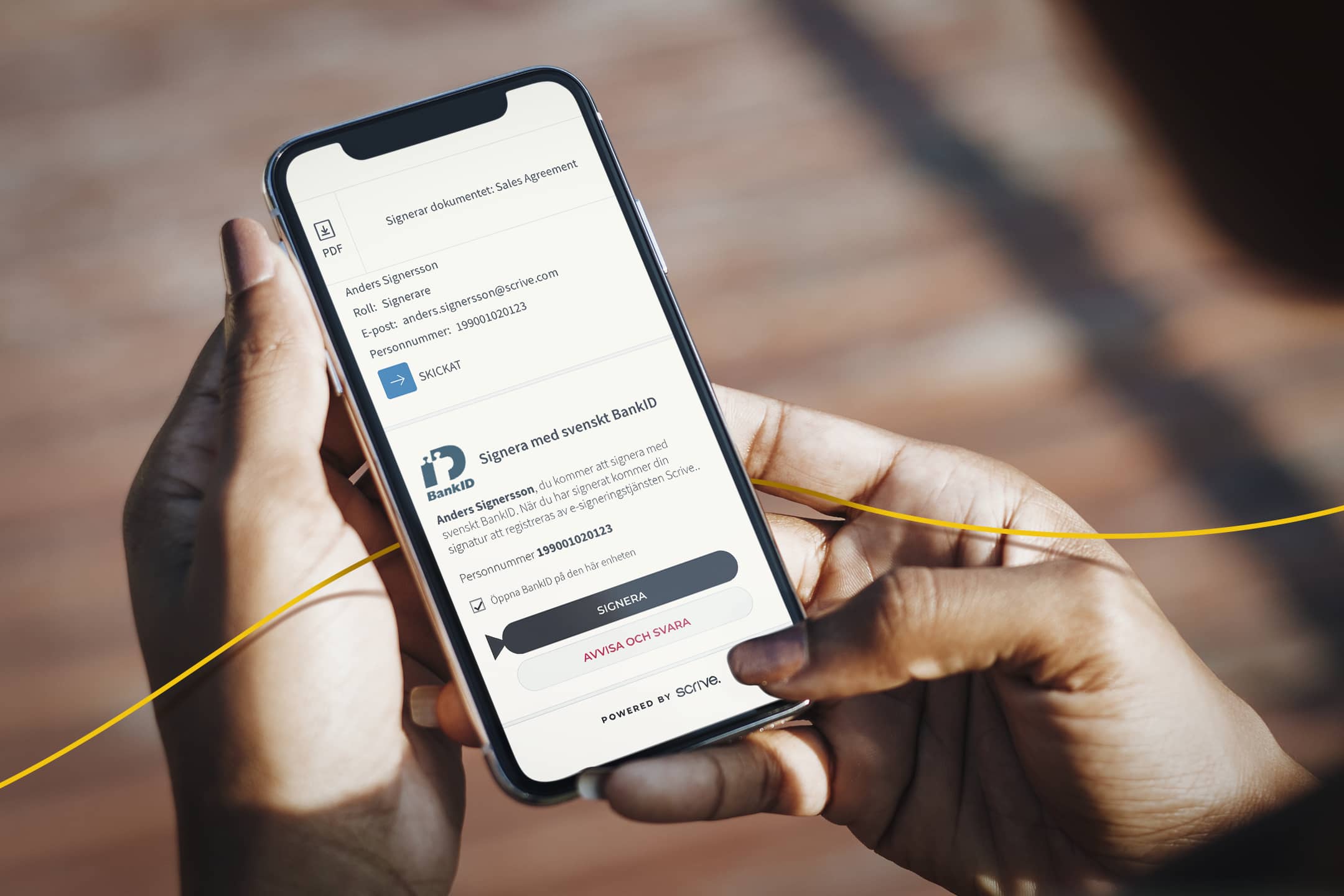
Scrive and BankID: Driving digital signatures and faster onboarding in Sweden
Scrive and BankID power millions of secure digital agreements, transforming how businesses onboard customers and close deals.
Read article